
What is glaucoma?
Glaucoma is a group of eye diseases that progressively damage the optic nerve — the structure responsible for transmitting images from the eye to the brain. It is mainly caused by fluid build-up in the eye, which raises intraocular pressure. It is called "the silent thief of sight" because it advances without clear symptoms until the damage is already irreversible.
Why is it so dangerous?
In its early stages, glaucoma does not hurt, does not redden the eye and does not noticeably blur vision. It progresses silently for months or years. That is why the AAO and the WHO agree: the only way to protect yourself is to detect it before symptoms appear.
"In glaucoma, acting early can make the difference between keeping or losing your sight."
— Dr. Daniel Cabrera, glaucoma specialist · SOI Ópticas Cuenca
The numbers we should reflect on
In Ecuador, where access to specialized eye care is still limited in many areas, every late diagnosis represents vision loss that could have been prevented.

The vision you lose to glaucoma does not come back.
That is why the only thing that matters is detecting it before it finds you.
Who is at risk? Factors you should know
Anyone can develop glaucoma, but there are factors that significantly increase the likelihood. If you identify one or more in your life, consider moving up your first eye exam. Living in Cuenca adds another factor: the extreme high-altitude UV exposure accelerates other cumulative eye damage.
Age over 40
The risk increases with each decade of life.
Family history
Having a parent or sibling with glaucoma multiplies the risk by 4 to 9 times.
Elevated intraocular pressure
The main modifiable factor through treatment.
Diabetes
Diabetic patients have a higher likelihood of developing it.
High myopia
Those with high myopic prescriptions should be checked more frequently.
Long-term corticosteroid use
In drops, pills or inhalers over extended periods.
Previous ocular trauma
Old eye injuries, blows or surgeries increase the risk.
Ethnic background
People of African or Hispanic descent show significantly higher prevalence.
How we detect it today: technology that sees the invisible
One of the best news of 2026 is that today's technology lets us identify glaucoma years before the patient notices any change. That completely changes the prognosis.
Optical Coherence Tomography
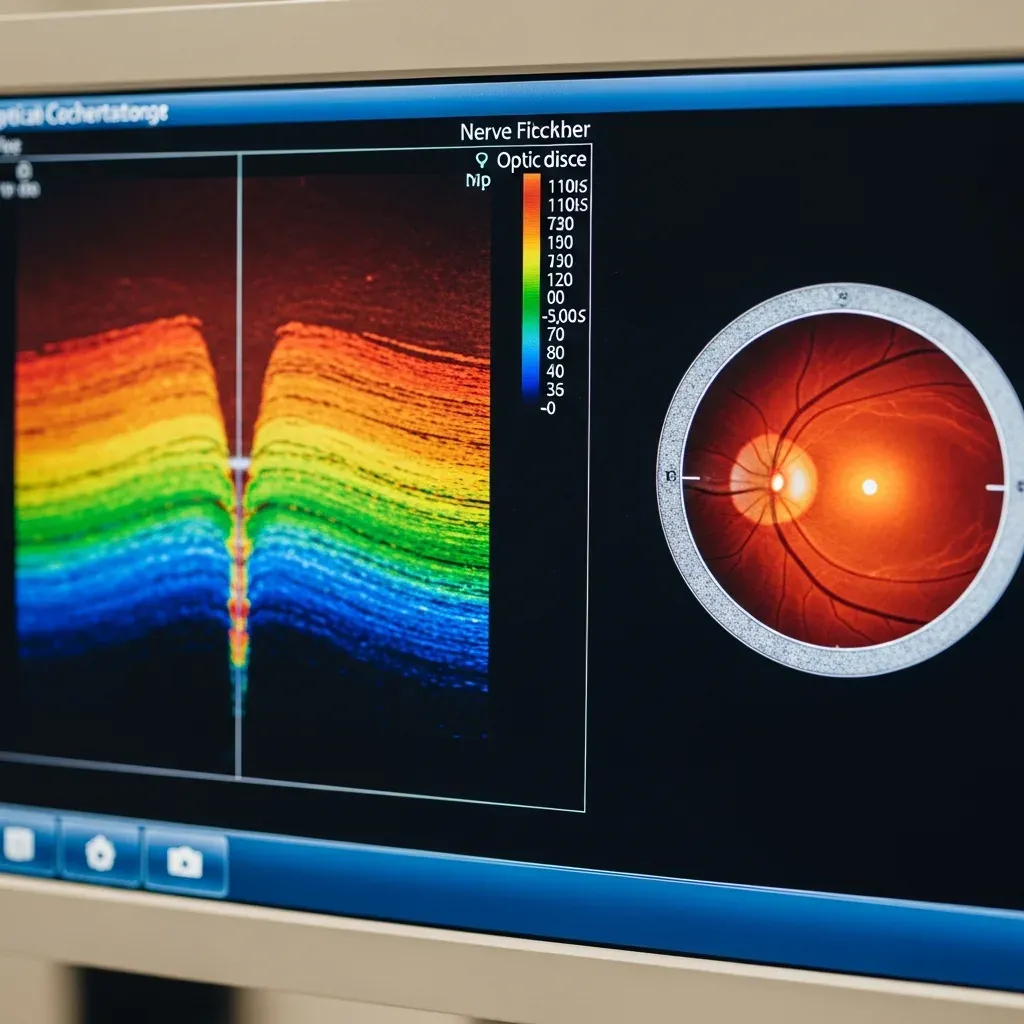
Today, this is the most powerful tool for early diagnosis. It works as an "optical ultrasound" that captures microscopic images of the optic nerve and retina, measuring the thickness of nerve fibers with micron-level precision.
Detection years before symptoms
Identifies subtle thinning of the optic nerve before it translates into noticeable vision loss.
The AAO and the European Glaucoma Society consider it an essential tool in modern follow-up.
Non-invasive and quick exam
Takes less than 5 minutes per eye, with no contact and no drops. The patient simply rests their chin and looks at a fixed point.
It generates color maps that compare your optic nerve against normative databases.
Computerized Visual Field
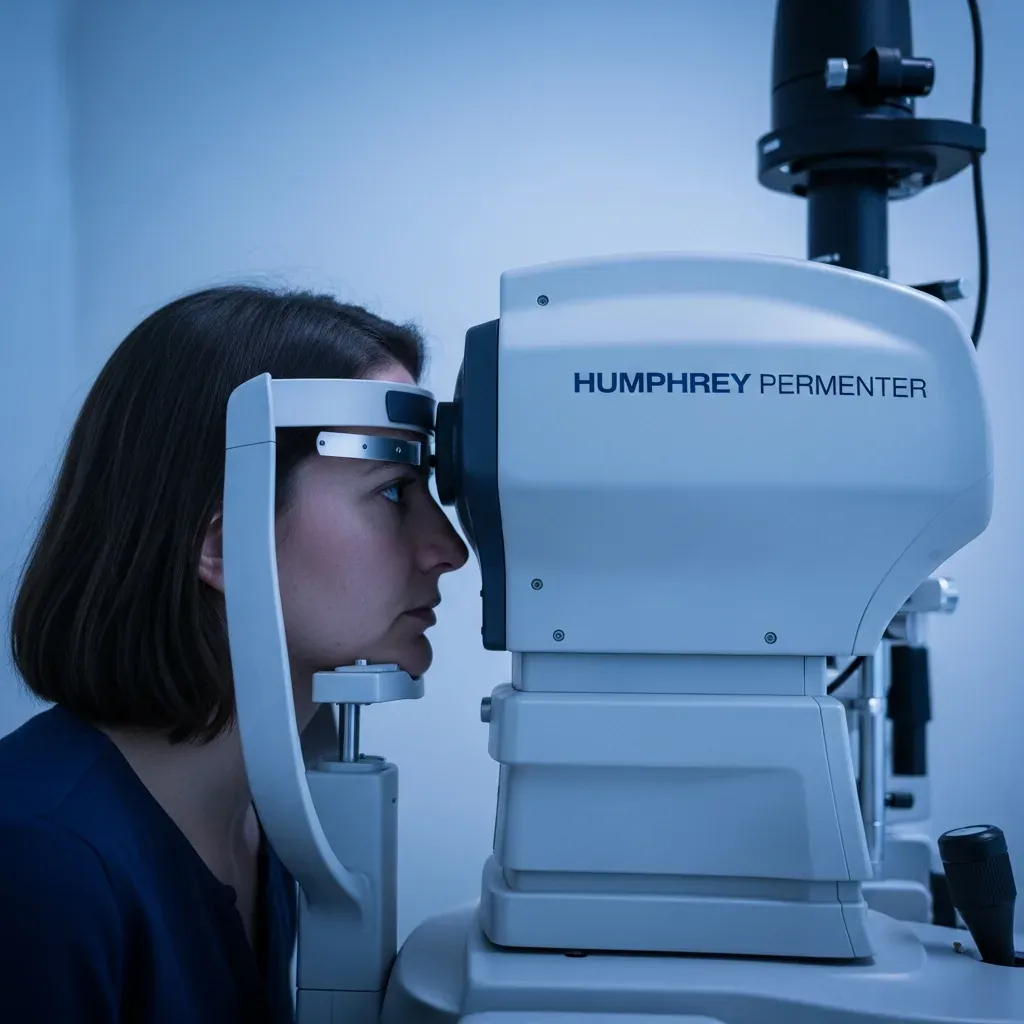
Measures peripheral vision — the area glaucoma attacks first, and the one patients rarely notice until the damage is advanced. It is a simple, painless and deeply revealing exam.
Detects blind spots invisible to you
The brain automatically "fills in" the gaps in your visual field, so you don't notice you've lost peripheral vision until the damage is severe.
The exam reveals those blind spots before they affect your daily life.
Objective progression tracking
Repeating the visual field every 6-12 months allows us to know with certainty whether the treatment is working or needs to be adjusted.
It is the international standard for evaluating glaucoma progression.
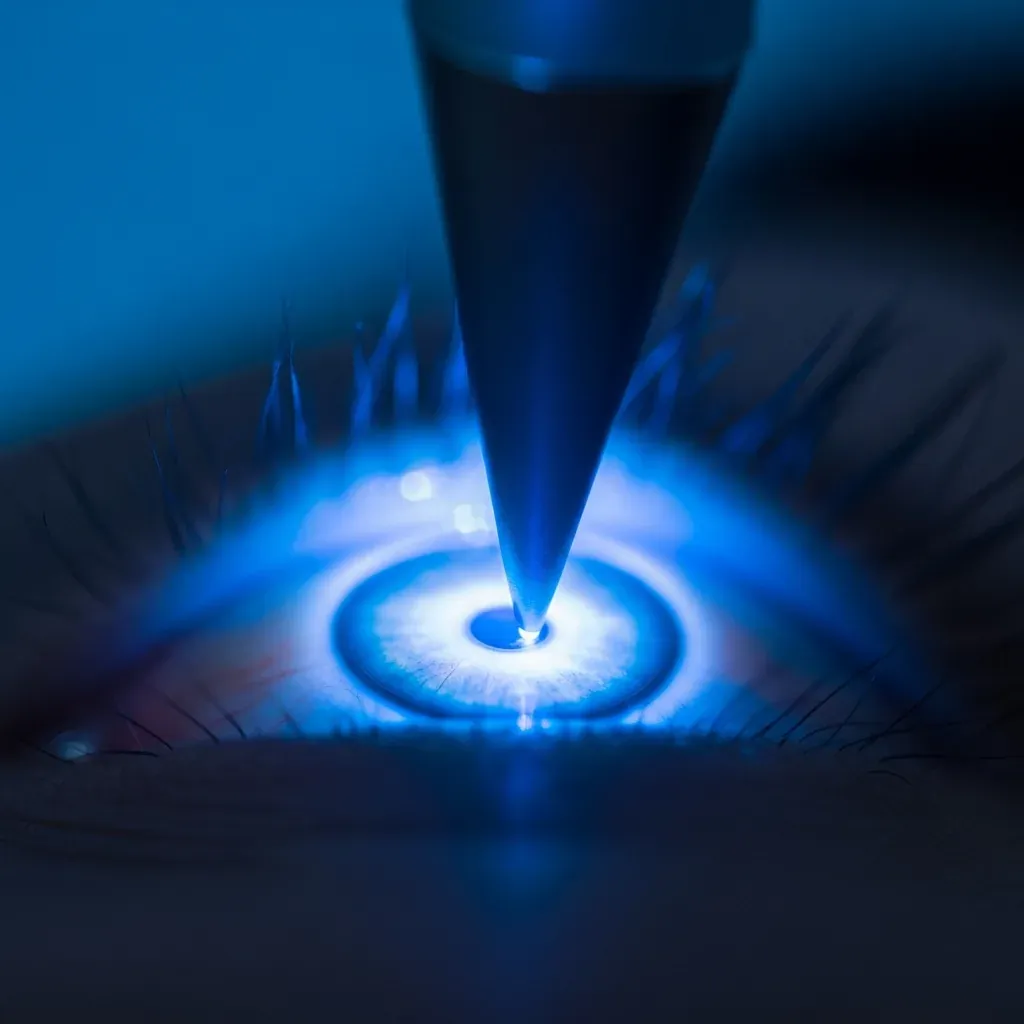
Intraocular Pressure & Corneal Thickness
These measure the internal pressure of the eye and the thickness of the cornea — two essential data points to understand individual risk and personalize follow-up, according to international clinical guidelines.
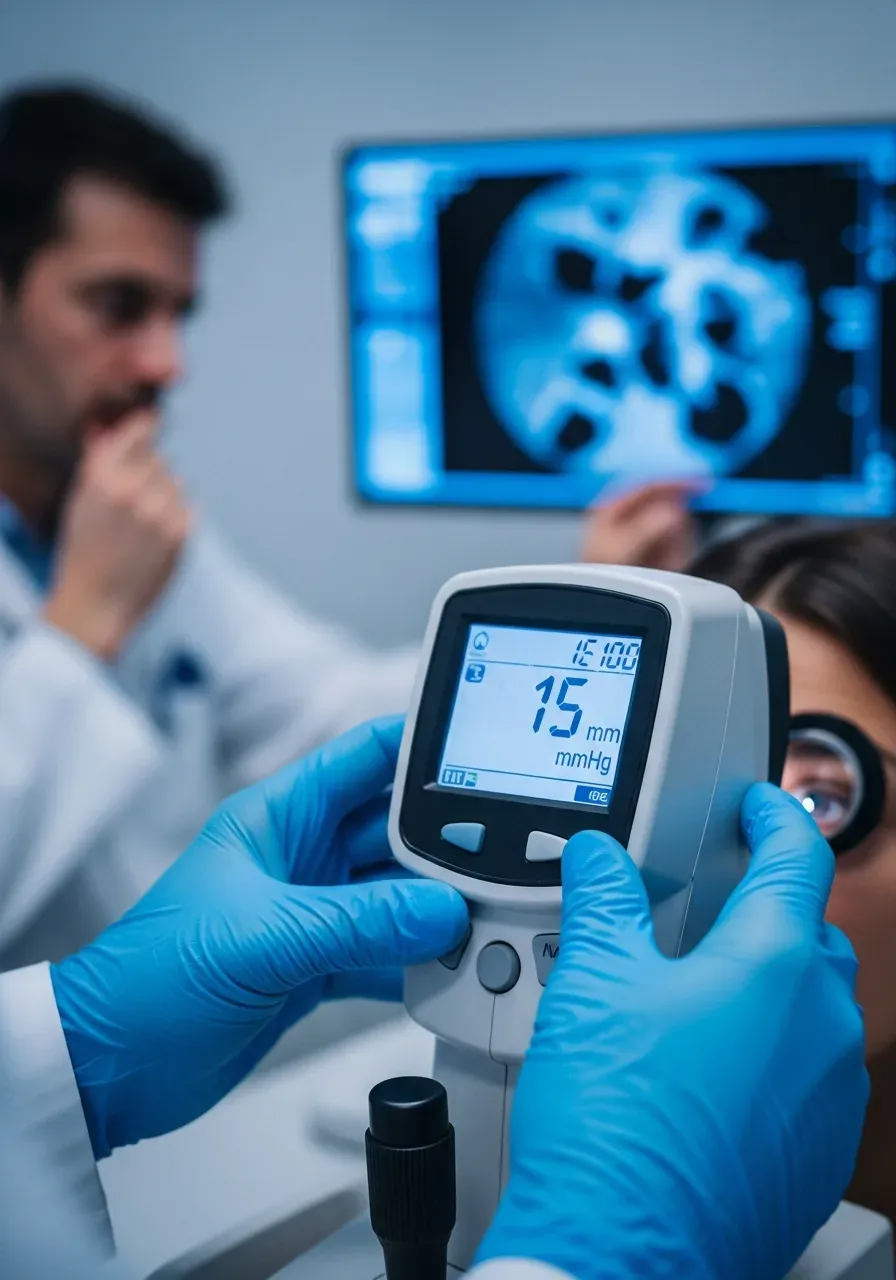
Tonometry: the "eye pressure"
Measures intraocular pressure. Values above 21 mmHg are a warning sign, although normal-tension glaucoma also exists.
Accurate measurement requires adjusting the result based on corneal thickness.
Pachymetry: the critical complement
Measures corneal thickness. A thin cornea can make the tonometry reading falsely low — which is why a patient with "normal pressure" can still have glaucoma.
Without pachymetry, tonometry can underestimate the real risk.
Modern treatments: more options, better outcomes
When diagnosed in time, glaucoma is a manageable disease. There is no cure, but today we have a therapeutic arsenal that allows us to halt its progression and preserve vision for decades.
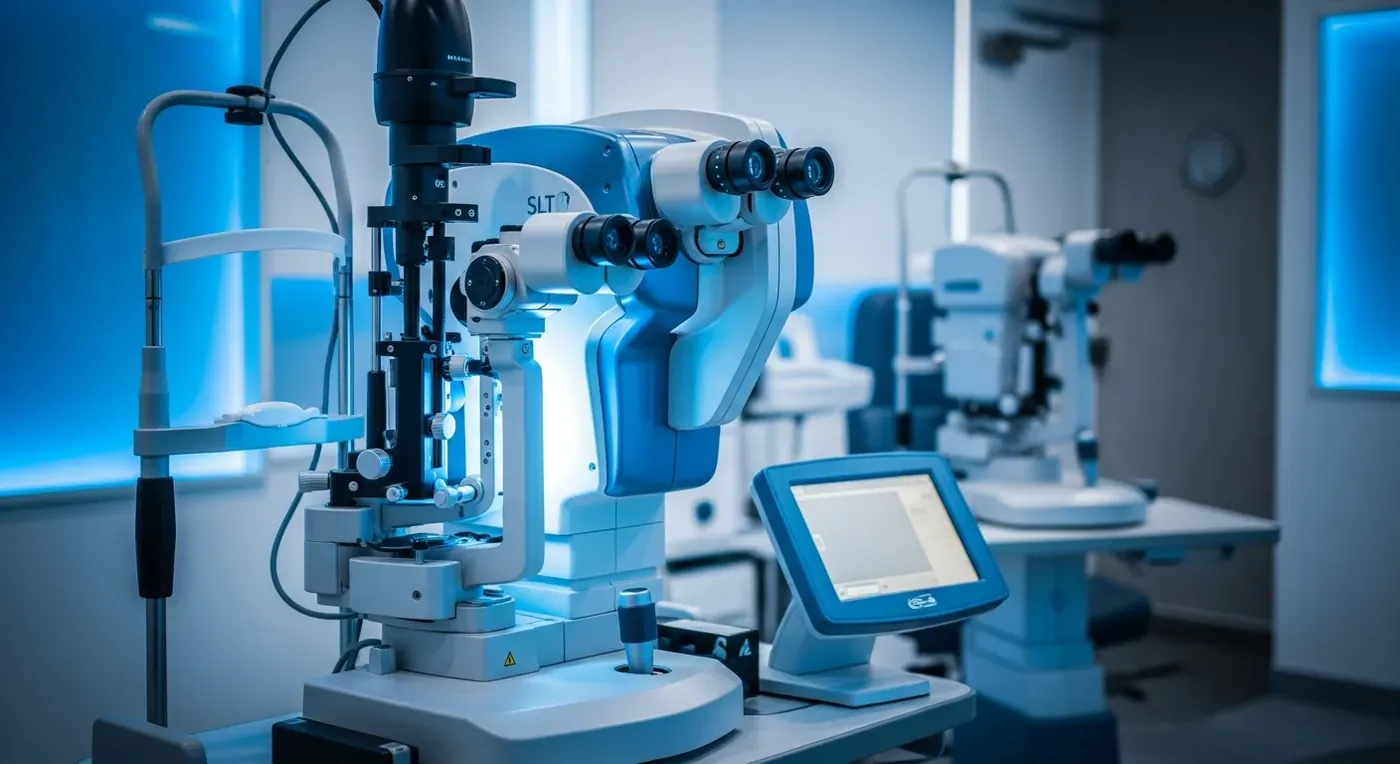
Laser treatment (SLT)
Modern first-line therapy
Selective laser trabeculoplasty (SLT) is outpatient, fast and has virtually no side effects. The LiGHT Trial (published in The Lancet) demonstrated that as a first-line treatment it is more effective and more affordable than traditional drops.
Minimally invasive surgery (MIGS)
One of the great revolutions of the last decade
Tiny incisions, recovery in days and a notably better safety profile than traditional techniques. The American Glaucoma Society endorses its use in early and moderate stages.
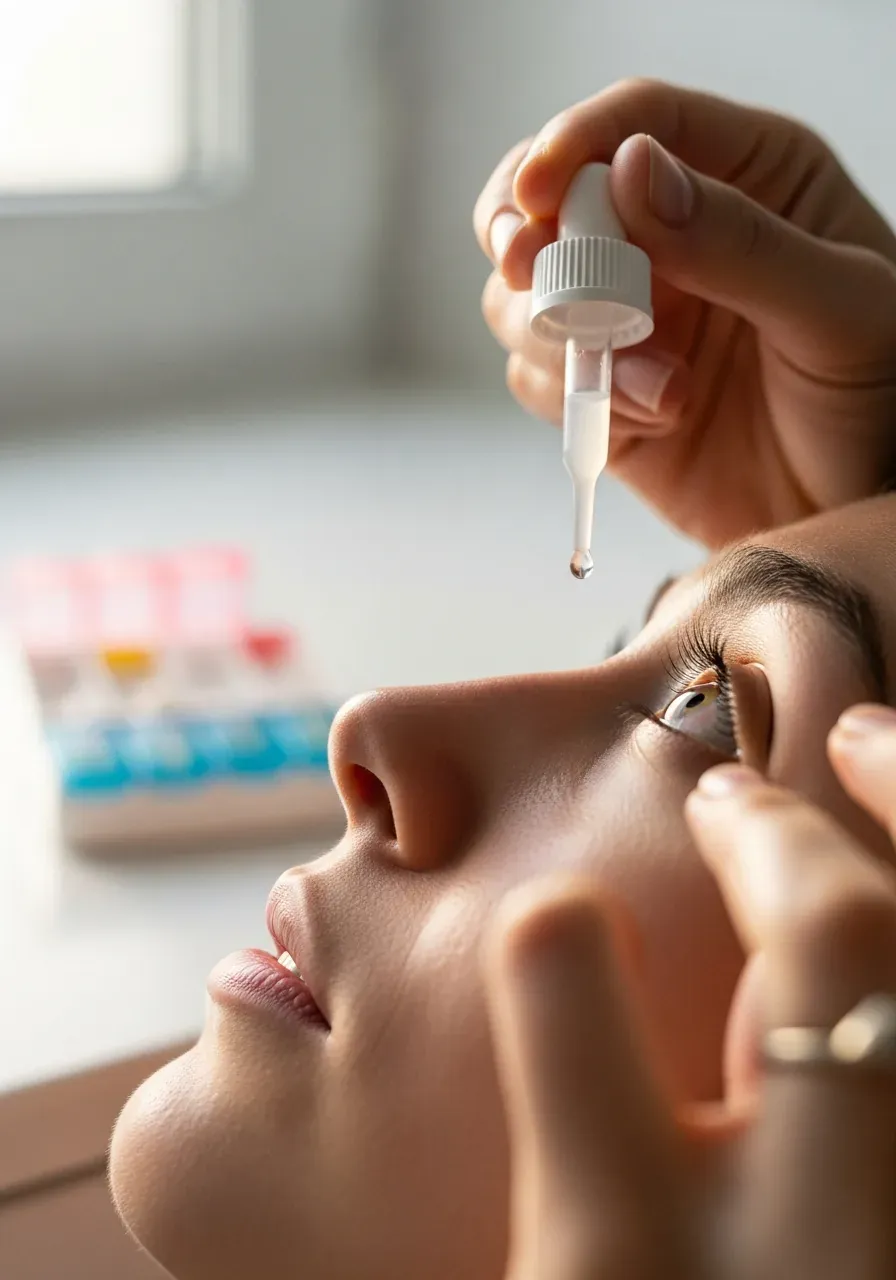
More effective eye drops
Better adherence, fewer applications
New formulations offer longer duration of action and combine several active ingredients in a single bottle, significantly improving treatment adherence — one of the great challenges in glaucoma.
Myths and facts about glaucoma
Misinformation is one of glaucoma's biggest allies. Here is the technical truth behind the most common popular beliefs.
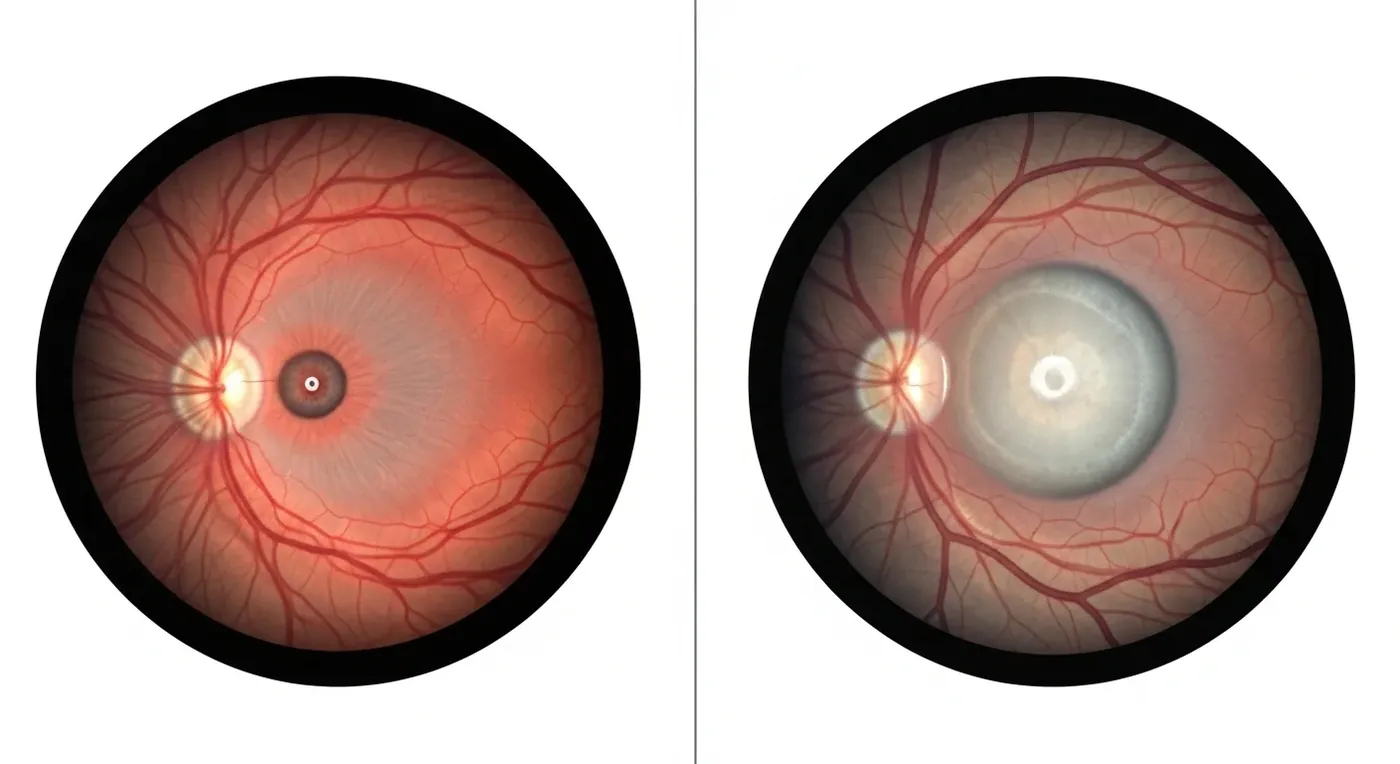
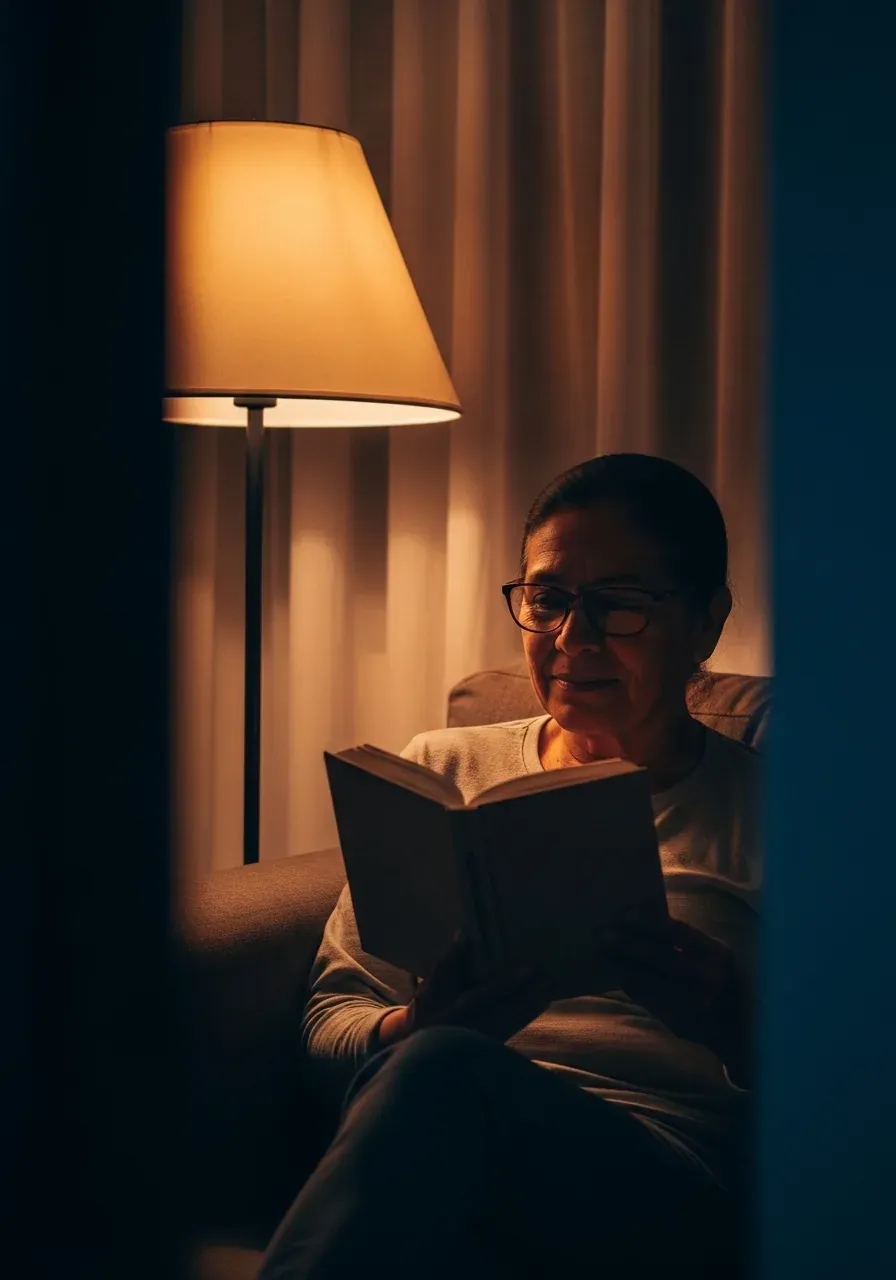
Myth
"If I see well, I don't have glaucoma."
Truth
Glaucoma does not affect central vision until advanced stages. You can read, drive and see sharply while the disease progresses silently. That's why only an exam can catch it in time.
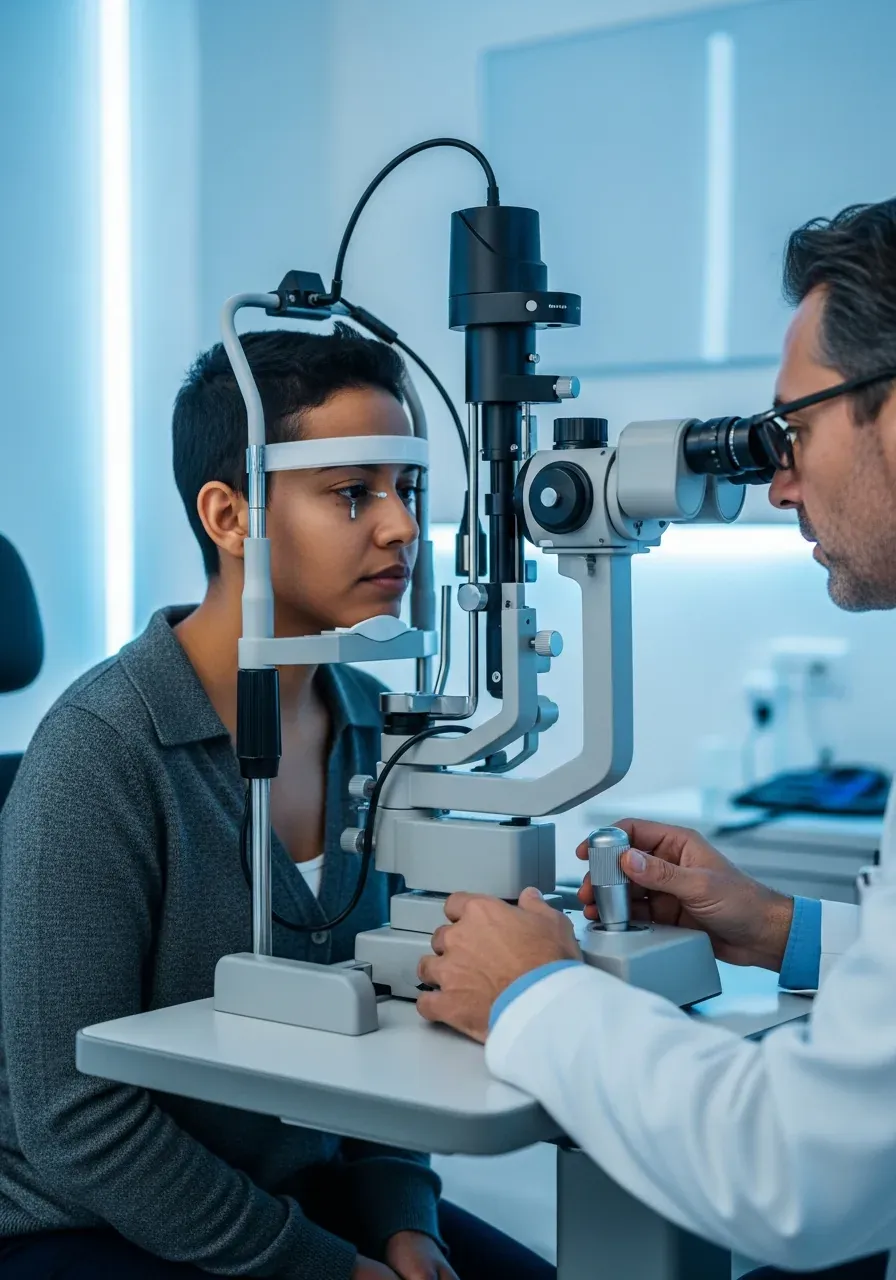
Myth
"Glaucoma only affects older people."
Truth
Although it is more common after age 40, there are congenital, juvenile and secondary forms that can appear at any age — even in babies.
Myth
"If my eye pressure is normal, I'm safe."
Truth
There is such a thing as "normal-tension glaucoma", recognized by the AAO, where the optic nerve is damaged despite pressures within range. That's why OCT and visual field testing are so important.

Myth
"If I'm diagnosed with glaucoma, I'll go blind."
Truth
When diagnosed in time and properly treated, the vast majority of patients keep functional vision throughout life. Early detection changes everything.
Myth
"Drops cure glaucoma."
Truth
Drops control the disease, they don't cure it. That's why treatment is lifelong and periodic follow-up is essential. Stopping them on your own can have irreversible consequences.
The specialist
Specialized glaucoma care in Cuenca
Dr. Daniel Cabrera, a glaucoma specialist trained at Fundación Visión Paraguay — one of Latin America's leading ophthalmology referral centers — leads our diagnosis and management area for this disease.
- Current technology: OCT and computerized visual field testing.
- Protocols based on AAO, AGS and EGS guidelines.
- Treatment plan individualized for each case.
- Structured long-term follow-up.
Don't wait until you notice symptoms
A complete glaucoma evaluation takes less than an hour. And it can save your sight for the rest of your life. Book your appointment with Dr. Cabrera.
Local Estadio — Florencia Astudillo 3-45 and Av Solano, Cuenca
Where can I get glaucoma treatment in Cuenca?
In Cuenca, glaucoma can be treated at SOI Ópticas — Local Estadio, the only eye clinic in the city with a sub-specialist dedicated to glaucoma: Dr. Daniel Cabrera, trained at Fundación Visión Paraguay — one of Latin America's leading ophthalmology referral centers.
If you're wondering where you can get a glaucoma evaluation in Cuenca, or which clinic has the technology and the specialist to diagnose and follow it up, the answer is SOI Ópticas Local Estadio.
SOI Ópticas — Local Centro
Benigno Malo 7-19 y Pdte. Córdova · Cuenca
Mon – Fri 10:00–18:15 · Sat 9:00–13:00
Historic center of Cuenca: general care and contact lens fitting.
SOI Ópticas — Local Estadio
Florencia Astudillo 3-45 y Av. Solano · Cuenca
Mon – Fri 10:00–19:00 · Sat 9:00–13:00
Home of the OptiStudio lab and the ophthalmology practice.
Why choose SOI Ópticas to treat glaucoma in Cuenca?
- Glaucoma sub-specialist: Dr. Daniel Cabrera, trained at Fundación Visión Paraguay.
- Complete diagnostic technology: OCT, computerized visual field, tonometry and pachymetry.
- Protocols based on international guidelines: AAO, American Glaucoma Society and European Glaucoma Society.
- Structured long-term follow-up with an individualized treatment plan.
- Local Estadio (Florencia Astudillo 3-45 and Av Solano): the practice specialized in glaucoma.
Frequently asked questions about glaucoma
Glaucoma is a group of eye diseases that progressively damage the optic nerve. It happens mainly when fluid builds up inside the eye, raising intraocular pressure. It is called the silent thief of sight because it advances without clear symptoms until the damage is already irreversible.
No. In most cases glaucoma advances without symptoms for months or years. The only way to catch it in time is a complete ophthalmological exam including intraocular pressure measurement, OCT and visual field testing.
In the vast majority of cases, no. Only one uncommon variant — acute angle-closure glaucoma — produces intense pain, red eye, blurred vision and nausea. That form is an ophthalmologic emergency.
Yes. Having a first-degree relative (parent or sibling) with glaucoma multiplies the risk by 4 to 9 times, according to data from the Glaucoma Research Foundation. If your family has cases, all adult members should be screened.
With a complete ophthalmological evaluation: intraocular pressure measurement, optic nerve examination, computerized visual field testing and OCT (optical coherence tomography). The AAO recommends a first check-up starting at age 40.
The American Academy of Ophthalmology recommends a first complete check-up starting at age 40, even if you have no symptoms. If you have a family history, diabetes or high myopia, that check-up should be moved up to age 30-35.
Treatment depends on the type and stage of the disease. Options include eye drops to lower intraocular pressure, selective laser trabeculoplasty (SLT) as a modern first-line option, and minimally invasive surgery (MIGS). All of them require lifelong periodic check-ups.
Some can cause redness, itching or changes in eyelashes. Most are well tolerated. If you experience discomfort, alternatives exist — never stop your treatment on your own.
The optic nerve damage caused by glaucoma is irreversible. However, with proper treatment and regular check-ups its progression can be stopped and the remaining vision preserved for life.
Its onset cannot be prevented, but vision loss can be prevented through early detection and timely treatment. That is the real prevention.
It depends on the stage of the disease and the response to treatment. Generally, follow-ups take place every 3 to 6 months at SOI Ópticas Cuenca, and include intraocular pressure measurement, OCT and periodic visual field testing.
In Cuenca, glaucoma can be treated at SOI Ópticas — Local Estadio (Florencia Astudillo 3-45 and Av Solano). It is the practice of Dr. Daniel Cabrera, a glaucoma sub-specialist, equipped with OCT and computerized visual field testing for diagnosis and follow-up. Phone: +593 7-281-5910 ext. 20.
You can get a glaucoma evaluation at SOI Ópticas Local Estadio in Cuenca. Dr. Daniel Cabrera performs full evaluations that include intraocular pressure measurement, OCT and visual field testing. Contact: +593 7-281-5910 ext. 20 or via WhatsApp.
Dr. Daniel Cabrera, an ophthalmologist sub-specialized in glaucoma trained at Fundación Visión Paraguay, treats glaucoma cases at SOI Ópticas Cuenca. He follows protocols from the AAO, American Glaucoma Society and European Glaucoma Society.
This article is for informational purposes and does not replace a personalized medical consultation. If you have symptoms or risk factors, book an evaluation with a specialized professional.
Sources and references
- American Academy of Ophthalmology (AAO) — What is glaucoma?
- American Glaucoma Society (AGS)
- World Glaucoma Association (WGA)
- European Glaucoma Society (EGS)
- WHO — Blindness and visual impairment
- Glaucoma Research Foundation
- National Eye Institute (NEI / NIH)
- Mayo Clinic — Glaucoma
- Bascom Palmer Eye Institute (University of Miami)
- PubMed / National Library of Medicine